Transdermal Patch
A transdermal patch is a drug delivery device that delivers a dose of product into the body via the skin using body heat and product solubility. It allows for a slow and controlled release of the drug, but is limited by the effective skin barrier. Pharmaceutical molecules can be combined with a solvent to increase their ability to penetrate the skin. Application may vary depending on the medication and the individual.
This method uses body heat and product solubility to ensure a slow, controlled release of the drug. The transdermal patch has the advantage of bypassing the digestive system and avoiding first-pass hepatic metabolism, which can improve drug efficacy and tolerability.
The efficacy of the transdermal patch depends on skin permeability and the ability of the drug to penetrate the skin barrier. To facilitate this penetration, pharmaceutical molecules may be combined with solvents or skin-penetrating agents, which increase their ability to penetrate the skin.
Application of the transdermal patch may vary according to the drug and the individual. It is generally recommended to apply the patch to clean, dry, hair-free skin. Some patches need to be changed every day, while others can remain in place for several days. It is important to follow the manufacturer's instructions regarding application and removal of the patch, as well as the frequency of changes.
Transdermal patches are used to administer various types of medication, such as analgesics, hormonal drugs, anti-nausea drugs, cardiovascular drugs and so on. They offer a number of advantages, including convenient administration, consistent bioavailability and reduced adverse effects associated with variations in plasma concentration.
However, it should be noted that not all drugs can be administered transdermally, as some are not sufficiently lipophilic or do not possess the appropriate characteristics for adequate cutaneous absorption. The formulation and design of the transdermal patch must be carefully considered to ensure effective and safe drug administration.
The transdermal patch is a drug delivery system that allows controlled diffusion through the skin. It offers practical advantages and can improve drug efficacy and tolerability. However, its use depends on skin permeability and appropriate drug formulation.
How it works
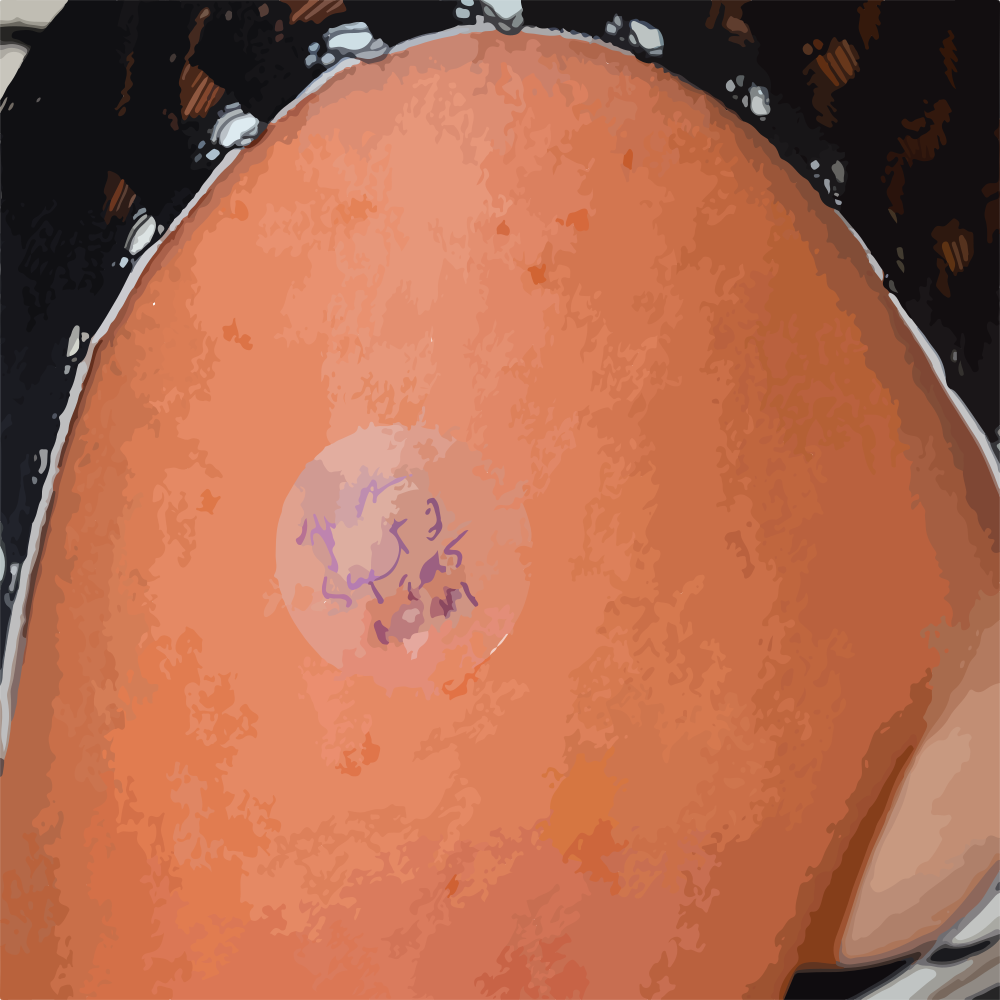
The transdermal patch uses body heat and product solubility to deliver the medication into the blood or lymph. This route of administration has the advantage of slow and controlled drug release, but is limited by the effectiveness of the skin barrier.
Product Range
A wide variety of pharmaceuticals can be administered transdermally, but some macromolecules, such as insulin, are too large to pass through the skin. Some pharmaceutical molecules must be combined with a solvent, such as alcohol, to increase their ability to penetrate the skin.
Application
Patches can be applied to different parts of the body depending on the medication and the patient. It is important to consult the specific patch dosage before use.
In brief
The transdermal patch is an effective way to deliver medications transdermally, but is limited by the effectiveness of the skin barrier and the size of the molecules. It is important to consult the dosing information for safe and effective use.